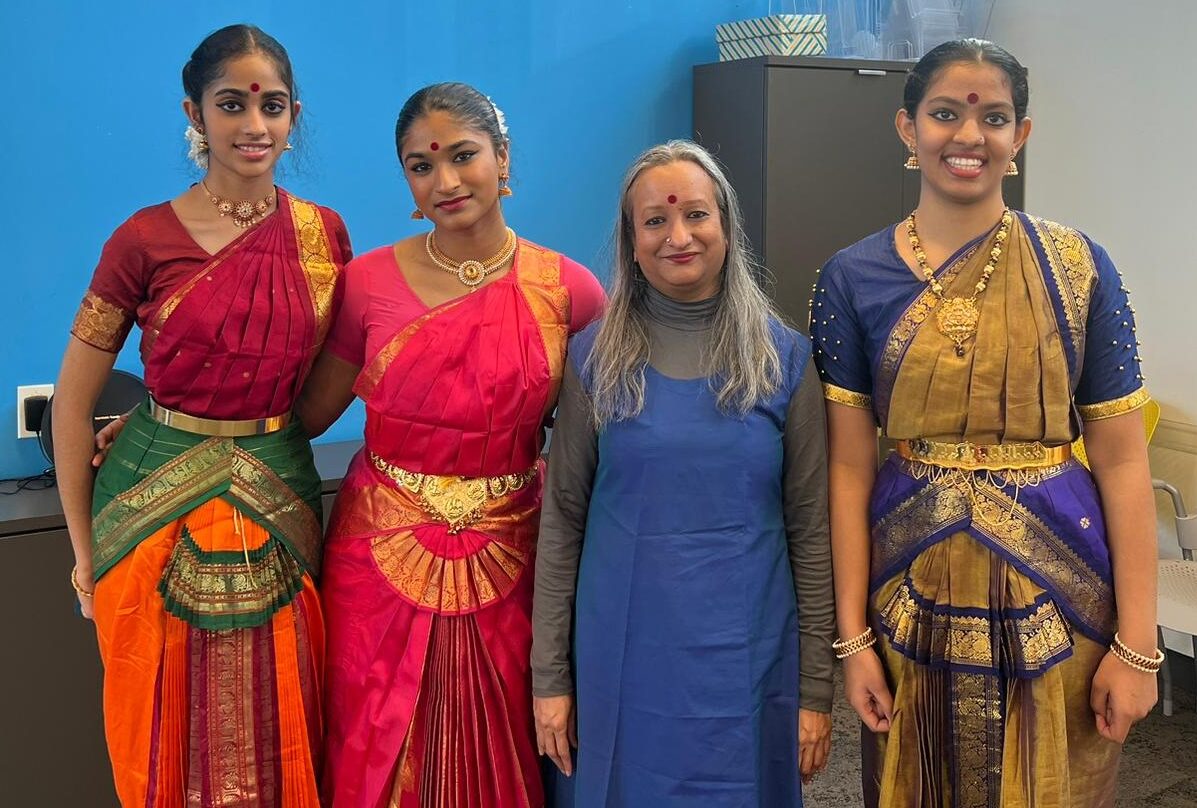
During the event Unpacking Emotive Dance in Bharatanatyam at the Toronto Public Library, each of my students presented a page of their thoughts, a note on their understanding of the complexity of the history of Bharatanatyam, the importance of conversation around full history with multiplicity and the experience of practicing this dance form in the diaspora.
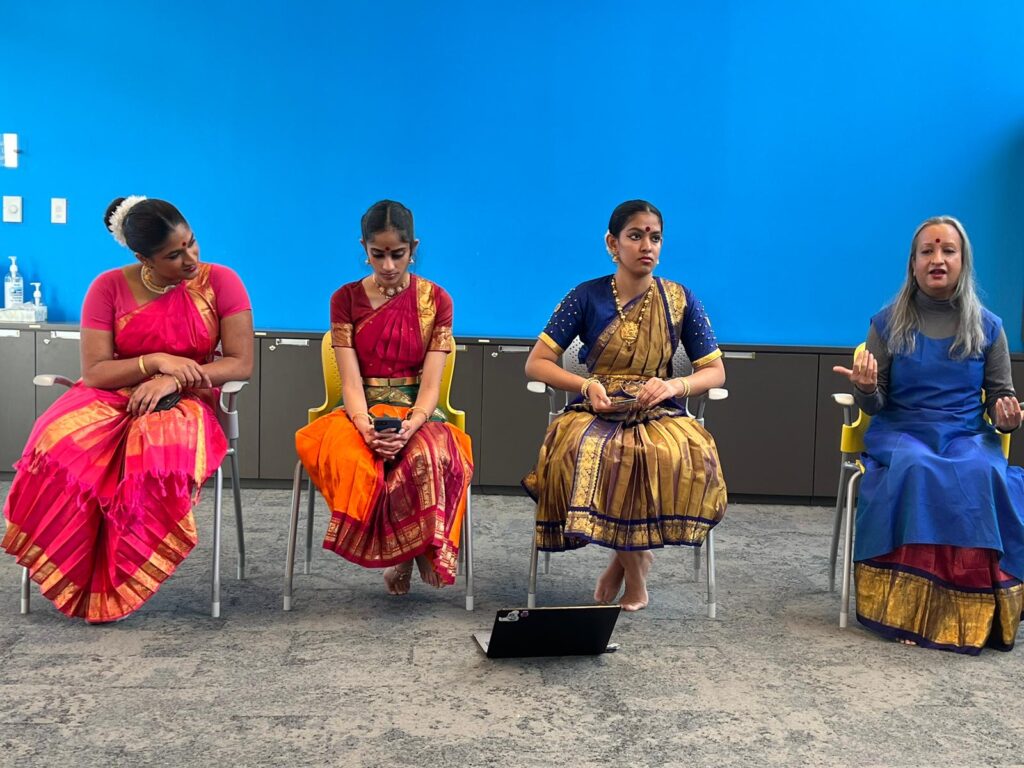
This is the first effort towards articulating their thoughts for the public on unpacking their understanding of the history of Bharatanatyam.
Here are the excerpts from their presentation.
It is one thing to learn a piece and regurgitate it back through physical practice and efforts. But in order to be a Bharatanatyam dancer you must accept the responsibilities that come along with it. Bharatanatyam has such a deep history and the popular singular narrative does not address it fully. Because of this, it is important to have an understanding of past oppressive history and what it means to perform this art in the current space we are in. That means acknowledging privilege and the struggles of dancers in the past and present who face many difficulties.
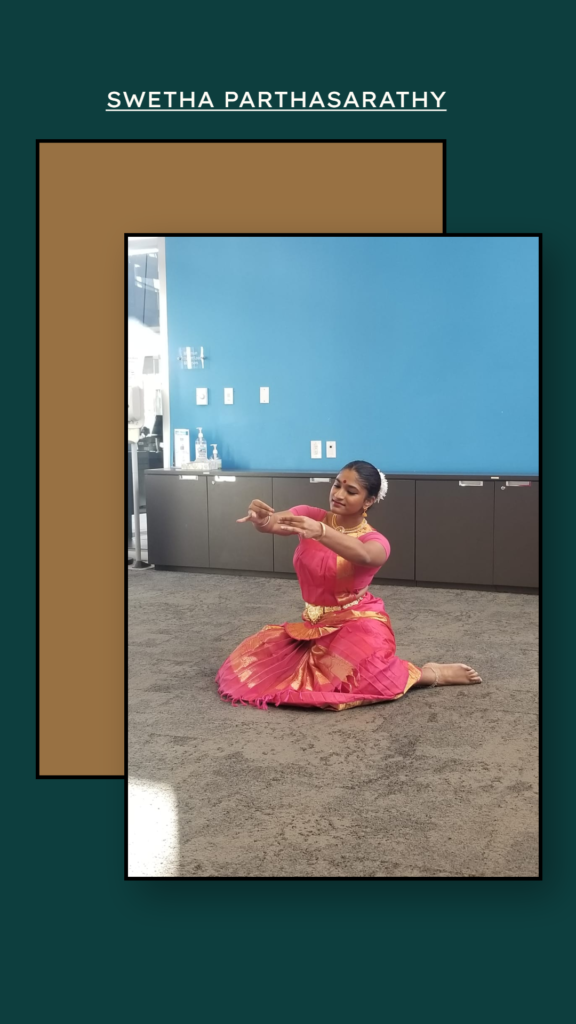
Listening is the most important aspect of a successful conversation, especially within a community such as dance. Discussing topics such as this is not meant to be lighthearted nor easy, but the results that can come from it and the changes that it can instigate can be immensely worthwhile. – By Swetha Parthasarathy
So many young dancers grow up and train their bodies in Bharatanatyam yet they are never told about how this art form has reached their bodies. Without knowing the truth how can we respect all the bodies that came before us. Their struggles, pain and suffering becomes forgotten.
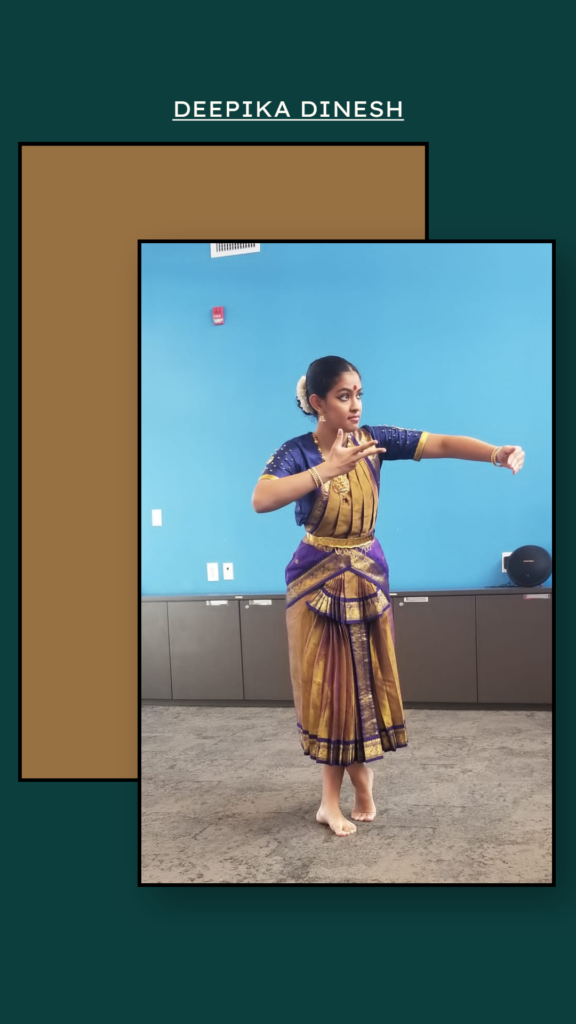
Why are people so reluctant to do the work necessary to heal the intergenerational trauma that is intertwined in Indian culture? Growing up in Canada, I thought I was learning Bharatanatyam as a way to connect and interact with my culture. After all, Bharatnaym was always packaged as a cultural dance that originated in south India. Looking back with the knowledge that I have now I can see the irony in that statement. – By Deepika Dinesh
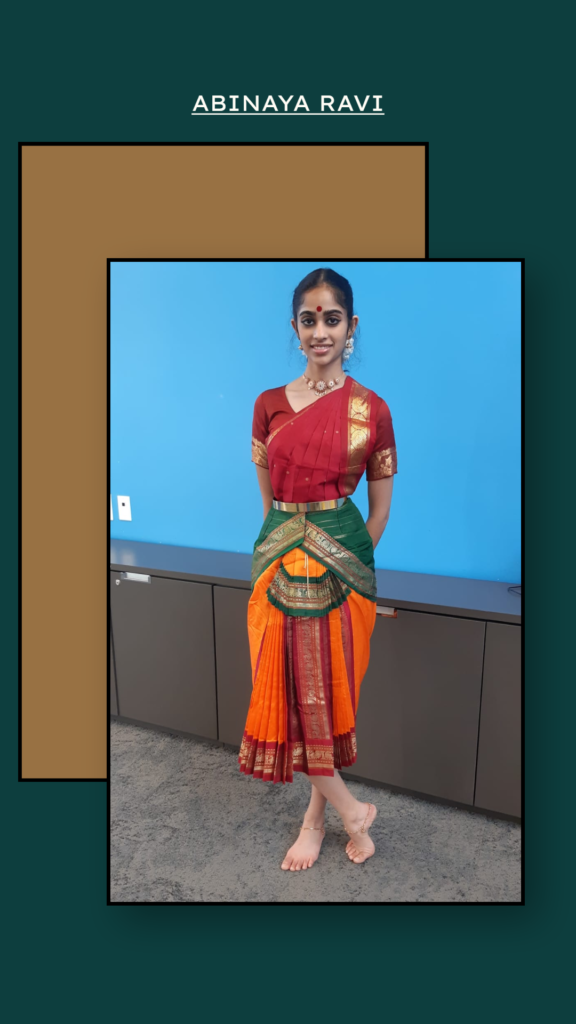
I was raised in a privileged home and I have been lucky enough to be in multiple classes that taught Bharatanatyam. Until I came to Neeraja aunty’s class in grade 7, I was not aware of the trauma that the devadasis had to endure in their time. How they were stripped of their identity and their right to do what they want because people have a need to be a “savior” and try to say what is and isn’t appropriate. No one should be able to tell others what they can and cannot do. I am now a lot more grateful that I get to do this every day without being shamed for it. We need to learn to not hide this history but to share it so others are aware of what has happened to the devadasis. The knowledge that these educated women had spent so much time and effort into the practice and choreography of this dance form has given me the understanding to respect this dance form it deserves. – By Abinaya Ravi
- Neeraja Ramani – Dancer Choreographer Teacher